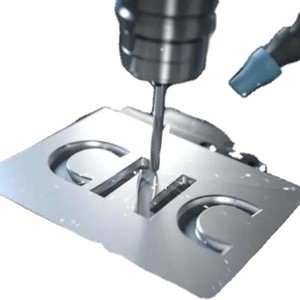
A PA66 nylon wear pad solves problems metal cannot: insulation, dry running bearings and chemical resistance without corrosion. This page covers PA66 nylon wear pad produced for electronics: machining of engineering plastics with sharp tooling and heat control. Every unit is supplied to drawing rather than to a catalogue description, and 100 × 60 × 25 mm envelope is the starting point rather than the limit.
In practice the difficulty is rarely the nominal size. ±0.05 mm is held on the features that locate the part in the assembly, and the process is set up so that the first piece and the five hundredth measure the same way.
Specification
| Process | Machining of engineering plastics with sharp tooling and heat control |
|---|---|
| Material / configuration | PA66 nylon |
| Size / capacity | 100 × 60 × 25 mm envelope |
| Tolerance | ±0.05 mm |
| Surface finish | as machined or vapour polished |
| Application | wear pad for electronics |
| Inspection | Dimensional report, material certificate, first article report on request |
| Lead time | 7–15 working days for samples, 3–4 weeks for production |
| Minimum order | 1 piece for prototypes, from 50 pieces for production pricing |
Manufacturing process
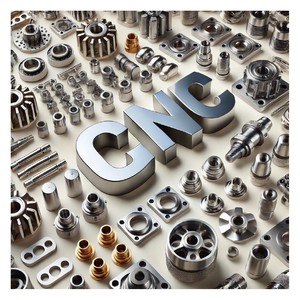
Production begins with a drawing and material review. Stock is certified, the operation sequence is fixed, and machining of engineering plastics with sharp tooling and heat control is carried out on equipment maintained to hold ±0.05 mm over a full shift, not just on a first piece.
Material is purchased against a certificate and checked on receipt, so the composition is known before any cutting starts. Work in progress is identified by part number and operation, and the finished parts are deburred, cleaned and protected before they leave the machine area.
Typical applications
Most of the work supplied in this category falls into the following examples.
- Insulating bushes and washers.
- Food contact wear parts.
- Laboratory fluid manifolds.
- Light duty gears and rollers.
- Electrical enclosures.
Quality control and documentation
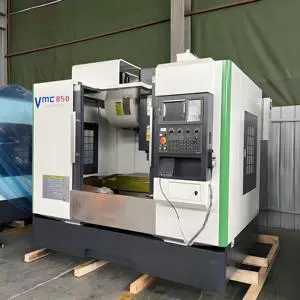
Inspection is not a final formality. Dimensions are checked during the cycle and again at the end, so drift is corrected while there is still stock to remove.
Material certificates to EN 10204 3.1, dimensional reports and first article inspection reports are issued with the shipment where the application requires them. Calibration dates and measurement uncertainty are recorded alongside every result.
Ordering, lead time and packaging
Orders start from a single piece. Samples are quoted from the 3D model, and production pricing follows once quantity, finishing and inspection are agreed.
Frequently asked questions
Do plastics hold tight tolerances?
They hold ±0.05 mm reliably, but dimensions move with temperature and with moisture in nylons, so parts are measured at 20 °C after conditioning.
Why machine plastic instead of moulding it?
Below a few hundred pieces, machining avoids tooling cost entirely and allows design changes between batches without altering a tool.
Can you supply material and inspection certificates?
Yes. Material certificates to EN 10204 3.1, full dimensional reports, first article inspection reports and, where required, PPAP or AS9102 documentation are issued with the shipment.
Send the drawing or the 3D model for a quotation. Include material, quantity, tolerance and finish, and a detailed quote with lead time is returned within one working day.