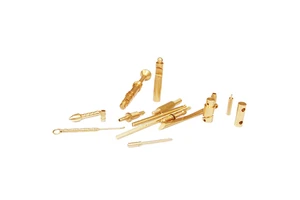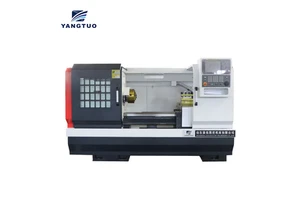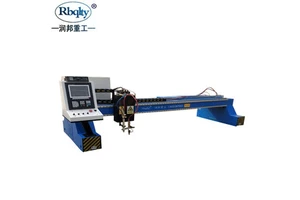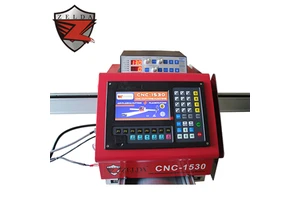
A Forming Die turns flat strip into finished parts at rates no machining process matches, once a design and a volume justify the investment. The Forming Die described here is built in SKD11 steel with hardened punches and developed for automotive body and bracket work. tool design with strip layout, wire cut detail and tryout on press is applied with tool life and the maintenance interval agreed before building starts.
The parts that matter most are the interfaces: bores, sealing faces, threads and mounting patterns. Those are held to ±0.05 mm, verified against the drawing, and recorded before anything is packed.
Specification
| Process | Tool design with strip layout, wire cut detail and tryout on press |
|---|---|
| Material / configuration | SKD11 steel with hardened punches |
| Size / capacity | press forces to 250 tonnes |
| Tolerance | ±0.05 mm |
| Surface finish | deburred and hardened tool surfaces |
| Application | forming die for automotive body and bracket work |
| Inspection | Dimensional report, material certificate, first article report on request |
| Lead time | 7–15 working days for samples, 3–4 weeks for production |
| Minimum order | 1 piece for prototypes, from 50 pieces for production pricing |
Manufacturing process
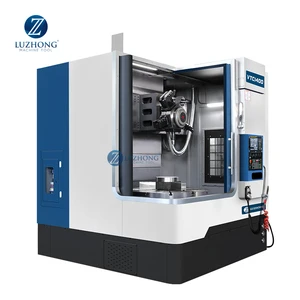
The operation sequence is decided before the first chip is cut: roughing to leave even stock, semi-finishing, then tool design with strip layout, wire cut detail and tryout on press as the final operation. That order is what keeps ±0.05 mm stable as the batch runs and the machine warms up.
Material is purchased against a certificate and checked on receipt, so the composition is known before any cutting starts. Work in progress is identified by part number and operation, and the finished parts are deburred, cleaned and protected before they leave the machine area.
Typical applications
Most of the work supplied in this category falls into the following examples.
- Brackets and mounting plates.
- Terminals and contacts.
- Shielding cans and frames.
- Washers and shims.
- Hinges and clips.
Quality control and documentation
Every batch is measured against the drawing with calibrated equipment, and results are recorded against the part number rather than kept on a scrap of paper.
Material certificates to EN 10204 3.1, dimensional reports and first article inspection reports are issued with the shipment where the application requires them. Calibration dates and measurement uncertainty are recorded alongside every result.
Ordering, lead time and packaging
Quotations are returned within one working day of a complete drawing package. Lead time is quoted from drawing approval, not from the date of enquiry.
Frequently asked questions
When is a progressive die worth the cost?
Above roughly 50,000 parts a year. Below that, laser cutting and bending usually costs less in total, even though the piece part price is higher.
How is burr formation controlled?
By correct die clearance, typically 5 to 10 per cent of material thickness per side, sharp punches and a scheduled regrind interval before the burr limit is reached.
Do you keep tooling and programmes for repeat orders?
Fixtures, tool lists and verified CAM programmes are retained for the life of the part number, so a repeat release runs on the same setup as the first batch without a new proving run.
To discuss forming die requirements, send the model and the drawing with the quantities required. Feedback on manufacturability is given free of charge before any order is placed.