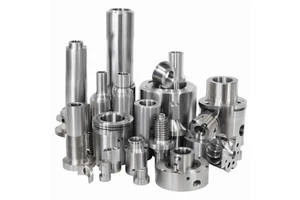
What drives the cost of 17-4PH Stainless Steel
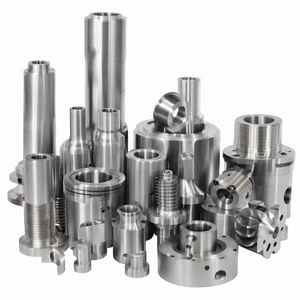
17-4PH Stainless Steel is a precipitation hardening martensitic stainless steel, used in the H900 condition for strength. It is used for parts that need the corrosion resistance of stainless with the strength of an alloy steel. This entry explains what it is, what the numbers on a data sheet mean, and what to put on a drawing.
It is written from the point of view of the buyer and the drawing office: the values that are realistic in production, the ones that cost money, and the way the result is verified. Where an industry sets the requirement, medical is used as the example: validation evidence that matches the drawing exactly.
The four things that move the price
- Tolerance: holding ±0.01 mm across a batch costs more than holding it once.
- Material: 17-4PH stainless steel is priced on the certificate as well as on the bar.
- Batch size: setups and first article inspection are fixed costs.
- Finishing and packing: Ra 0.8 µm achievable, and packing is specified by the part.
Why the same part is quoted differently
Because the route is not the same. Heat treatment and the second handling of the part, so two quotations can differ by a third without either being wrong. Asking what route has been assumed is the fastest way to compare them.
How to reduce it
- Rough machine in condition A, harden, then finish.
- State the condition required on the drawing, not just the grade.
| Item | Note |
|---|---|
| Cost driver | heat treatment and the second handling of the part |
| Cycle | machining in condition A, then hardening with a predictable growth |
| Tolerance | ±0.01 mm |
| Material | 17-4PH stainless steel |
| Documentation | AS9100 or ISO 13485 depending on the part |
Applications
17-4PH Stainless Steel is used for parts that need the corrosion resistance of stainless with the strength of an alloy steel, and in practice it appears most often in aerospace fittings, medical instruments, valve components, shafts in pumps.
How it fits into a machining route
17-4PH Stainless Steel is chosen at the drawing stage, and everything downstream follows from it: the tool geometry, the cutting data, the heat treatment and the certificate. Changing the grade later is a different part, not a different quote.The route is fixed before the first part is cut, and it is the route rather than the individual setting that holds the result: heat treatment and the second handling of the part. Where a drawing calls for something the route cannot hold economically, that is raised at quotation rather than after the parts are made.
Standards, documentation and what is issued
The documentation requirement is AS9100 or ISO 13485 depending on the part. Material is supplied against a certificate where the application calls for it, inspection results are recorded with the job, and the records are kept so that a repeat order can be compared with the first instead of being measured from scratch.
Dimensional inspection after heat treatment is the verification step. Where a customer format or a standard report is required, it is agreed before the batch starts, because a report written after the event is a report nobody can use.
Frequently asked questions
What tolerance should be specified for 17-4PH Stainless Steel?
±0.01 mm is realistic in production. Tightening it beyond the functional requirement increases cost without improving the part.
Which material is usually used?
17-4PH stainless steel is the usual choice, supplied against AS9100 or ISO 13485 depending on the part.
How is the result verified?
Dimensional inspection after heat treatment, with the results recorded so a repeat order can be compared with the first.
What is the most common mistake?
Ignoring the dimensional growth through hardening, which is small but real.
How long does it take and what does it cost?
A realistic cycle is machining in condition A, then hardening with a predictable growth, and the cost driver is heat treatment and the second handling of the part.

Related capability
If you are specifying 17-4PH Stainless Steel on a drawing and want a second opinion on the route, send the model and the quantity. The first response is a manufacturability review with the likely risk points and a quotation, so the decision can be made on facts rather than on a price alone.
Machining, inspection and documentation are handled in one place, which is why the dimensional report and the material certificate arrive with the parts rather than after them.
Related entries
These entries sit next to 17-4PH Stainless Steel in the encyclopedia: 316L Stainless Steel, 304 Stainless Steel, Bearing Housings. Reading them together gives a fuller picture of how the process, the material and the measurement affect each other.