Machining from Castings versus Solid Billet versus the Alternatives
A comparison of machining from castings versus solid billet with the routes most often used instead of it: what each produces, what it costs, and where each one is the better choice for a given part or programme.
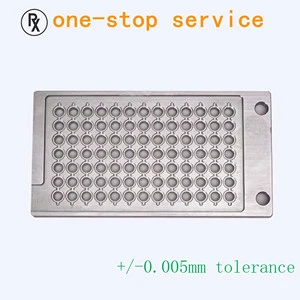
Where the comparison starts
Machining from Castings versus Solid Billet is the choice between starting from a near-net casting and cutting a part from solid stock, and it earns its place when the part and the quantity suit that definition rather than because the process happens to be available.
Comparing routes fairly means comparing finished parts rather than advertised capability: the tolerance achieved, the finish achieved, the lead time and the cost per piece at your quantity.
What the alternatives do better
Every alternative wins somewhere. Processes that remove metal faster leave a coarser finish, and processes that finish beautifully usually cost more per cubic centimetre removed.
Ask what each alternative removes from the job: a setup, a handling step, a secondary operation or inspection time, because savings normally appear there rather than in the cutting itself.
Cost at different quantities
At low quantity the fixed cost of programming, fixtures and first-part verification dominates, while at volume it spreads thinly and cycle time plus tool cost take over.
There is a crossover point where the ranking reverses, and finding it is a spreadsheet exercise rather than a matter of opinion.
Quality and repeatability
A capable shop sees material utilisation above 80 per cent against below 30 per cent from billet from this route, but the more useful number is capability across a whole batch rather than the best part to come off the machine.
Ask for sample inspection reports from each candidate route so you compare measured data instead of assurances.
Making the decision
Write down the five criteria that actually matter to your part, weight them, score each option, and the answer rarely changes afterwards.
Where scores tie, choose the route the supplier runs well, because execution beats theoretical suitability in almost every workshop.
Summary
Kept visible on the shop floor rather than in a folder, these points prevent the expensive version of the problem from happening at all.