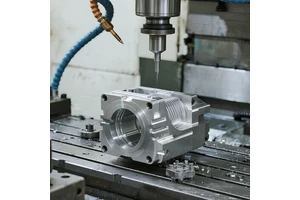
Cast Iron CNC Machining at Scale: From Job Shop Batches to Volume Production
What changes when cast iron CNC machining moves from one-off jobs to volume production: fixtures, tooling, planning, inspection and the controls that keep a high-volume process stable.
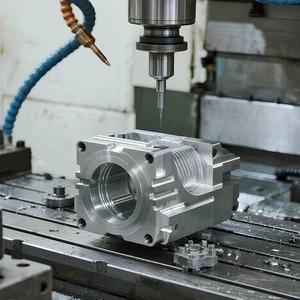
The nature of the problem changes
In jobbing work the constraint is knowing how to make one good part; in volume work it is making ten thousand identical ones without drift.
Cast Iron CNC Machining remains machining grey and ductile iron castings dry or with minimal coolant at every quantity, but everything around it has to become repeatable rather than clever.
Fixtures and tooling step up
Dedicated fixtures, preset tooling, quick-change clamping and defined replacement intervals turn a skilled job into a controlled process.
At volume, saving ten seconds per cycle pays for the fixture many times over, which is why it is usually the first investment to make.
Planning and capacity
Schedule by constraint rather than by machine count, protect the bottleneck with buffer stock, and plan changeovers deliberately.
Most volume programmes fail on material availability and planning rather than on machining capability.
Inspection and process control
Move from inspecting everything to sampling against a control plan, provided the process capability justifies it with data such as stable boring and milling with good finish and unusually long tool life.
Keep full inspection until capability is proven, then relax it only after a documented review.
Keeping it stable month after month
Re-audit tooling, fixtures, calibration and coolant condition on a fixed calendar, and treat any change of operator or material source as a new setup.
Stable volume work is boring by design, and that boredom is the result worth paying for.
Summary
Kept visible on the shop floor rather than in a folder, these points prevent the expensive version of the problem from happening at all.