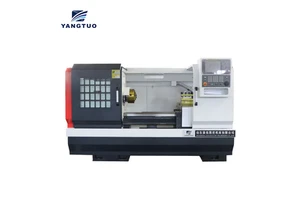
Deep Cavity CNC Machining ROI: Building the Business Case with Real Numbers
How to build a defensible business case for deep cavity CNC machining: the costs that count, the savings that are realistic, the payback period and the numbers finance will actually accept.
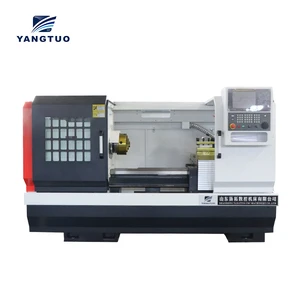
What goes into the cost
Deep Cavity CNC Machining carries three categories of cost: the purchase or internal transfer cost, the running cost per hour, and the cost of the people needed to keep the process stable.
The first category is the one everybody quotes and the one that explains least of the five-year picture.
What comes out the other side
Savings show up as reduced cycle time, fewer secondary operations, less scrap, shorter queues and less overtime, and they must be measured rather than estimated.
The definition of the process matters here: because Deep Cavity CNC Machining is cutting pockets several times deeper than the cutter diameter, its benefit lands on the parts that match that description.
Putting numbers on it
Take your own part mix, multiply the saving per part by annual quantity, and subtract the running cost of the alternative before claiming any net benefit.
A simple model with conservative figures survives scrutiny; an optimistic one gets discounted to nothing in the first meeting.
Risk and sensitivity
Test the case against low volume, higher tooling cost and longer than planned ramp-up, then see whether it still pays back inside an acceptable period.
Capability matters too: with floors and walls held within 0.05 mm using extended-reach tooling, the process may open enquiries you currently decline, which is real revenue even if it is harder to quantify.
Presenting it so it gets approved
Bring a one-page summary, the assumptions behind each number, and the sensitivity case, because finance approves assumptions rather than totals.
Follow up after six months with measured results, which is how the next proposal gets approved faster.
Summary
None of the above requires new software: it requires a decision, a number and someone named as responsible for it.