CNC Fixture Design Benchmarks: Targets, KPIs and What Good Looks Like
Benchmarks and KPIs for cnc fixture design: which figures to track, what good performance looks like in a real shop, and how to use the data to improve rather than to judge.
Why measure this at all
A process improves when the numbers behind it are visible, and CNC Fixture Design is no exception: without measurements every change becomes a matter of opinion.
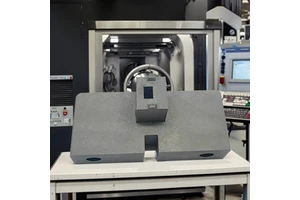
The useful figures connect directly to the definition: CNC Fixture Design is the design of the plates, clamps and locators that hold a part through cutting, and the result most customers buy is parts clamped on the drawing datums with repeatable location within 0.01 mm.
The handful of KPIs worth keeping
Track first-part yield, scrap rate, cycle time against plan, tool cost per part and on-time delivery, and resist adding a sixth until those five are stable.
Track them per part family, because an average across unrelated work hides every useful signal.
Setting targets that mean something
Set the first target from your own best week rather than a textbook figure, then improve it in steps of roughly ten per cent.
Targets taken from a supplier brochure usually include conditions your shop does not have and simply demoralise the team.
Reading the data
Look for trends rather than single points, and always pair a metric with context: a slow cycle may be the cost of holding a difficult tolerance.
Review weekly with the people doing the work, who almost always know the cause before the chart is printed.
Acting on it
Pick one metric per month, assign one owner and one countermeasure, and check the result at the next review.
Programmes that try to improve five metrics at once rarely move any of them.
Summary
Applied to one part family before the whole shop, this approach produces evidence within weeks rather than opinions after months.