CNC Honing Failure Modes: Risk Assessment and Prevention
A failure mode review of cnc honing: the ways this process fails in practice, early warning signs on the shop floor, and the controls that stop problems before parts are scrapped.
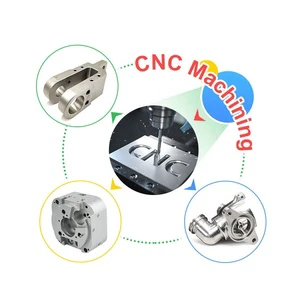
How this process actually fails
Most failures fall into five groups: wrong input, unstable setup, tool or process drift, measurement error and handling damage, and each has a different signature.
Because CNC Honing is abrasive stones expanding inside a bore to correct roundness and generate a cross-hatch pattern, the failures specific to this process cluster around the mechanism in that definition rather than around anything general.
Early warning signs
Watch for changes in sound, chip formation, surface finish, cutting force and cycle time, all of which move before dimensions go out of tolerance.
Operators notice these changes first, which is why their feedback is worth more than any dashboard alarm threshold.
Assessing the risk
For each failure mode score severity, occurrence and detection, then deal with the high severity modes first regardless of how rarely they appear.
Severity is decided by what the failure costs the customer, not by what it costs your shop to remake the part.
Controls that prevent rather than detect
Poka-yoke the setup so the part can only be clamped correctly, use tool life counters, probe critical features in cycle, and quarantine parts made during an unexplained stoppage.
Preventive controls cost less than inspection because the inspection stage only tells you what has already been ruined.
When it still goes wrong
Contain first by identifying the affected batch, then correct the cause, then verify with measurements rather than a test cut alone.
Record the failure and its cause, because the second occurrence usually costs more than the first and should never be a surprise.
Summary
The value of cnc honing is easiest to see when the result is written down, measured and compared against the drawing.