Cycle Time Down by 25 per cent: Machining Semiconductor Wafer Chuck Ring
A machining improvement programme on an aluminium ring retaining wafers during processing: where the time was going, what we changed in roughing, tooling and handling, and the 25 per cent saving achieved without touching the drawing.
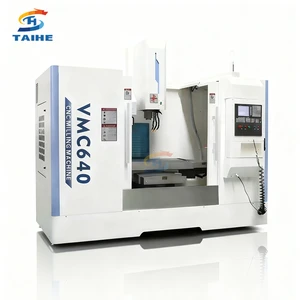
Measuring where the time went
The existing route for an aluminium ring retaining wafers during processing produced a good part, but the quoted cost made the assembly hard to sell.
We timed every element rather than optimising what looked slow: loading, roughing, finishing, deburring, inspection and packing.
The largest contributors
The dominant costs were conservative roughing parameters, unnecessary tool changes and re-handling between operations.
Because the specification calls for flatness within 0.01 mm and cleanroom-clean finishing, none of those elements could simply be skipped, but several could be shortened.
What we changed
Roughing was reprogrammed to keep cutter engagement constant, which allowed higher feed rates at the same tool life, and two operations were combined into one setup.
Tool paths were simulated to remove air cutting, and non-productive moves were shortened by reordering features.
The result
Overall cycle time fell by 25 per cent, and the saving came mostly from the roughing strategy rather than from pushing the finishing parameters.
Quality was unaffected: flatness within 0.01 mm and cleanroom-clean finishing was re-verified on the first batch produced by the new route.
Keeping the gain
The new parameters are recorded in the process sheet, the tooling list is fixed, and operators can see the expected cycle time at the machine.
Without that documentation the route drifts back towards the old safe parameters as soon as anyone has a bad morning.
Summary
What started as a single order became repeat business because the paperwork, the fixture and the inspection plan were all kept current.